
Eyelid Agenesis
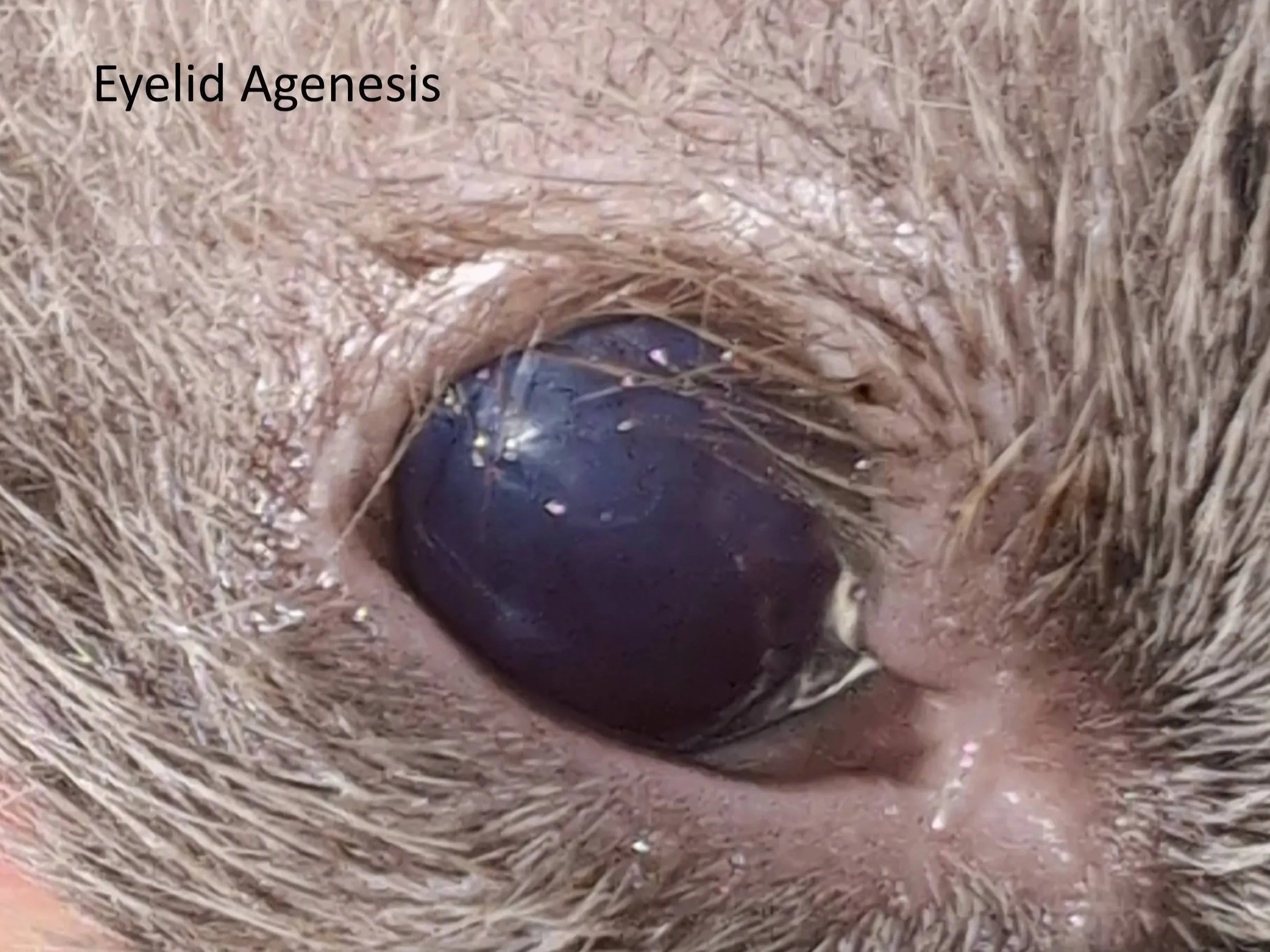
After working in veterinary ophthalmology for almost 20 years, there are still certain cases that excite me. Being able to help patients born with congenital abnormalities is one of these situations. This month I had the privilege of helping a beautiful kitty rescued from outside Canada who was born without upper eyelids. The medical term for this condition is eyelid agenesis.
What is Eyelid Agenesis?
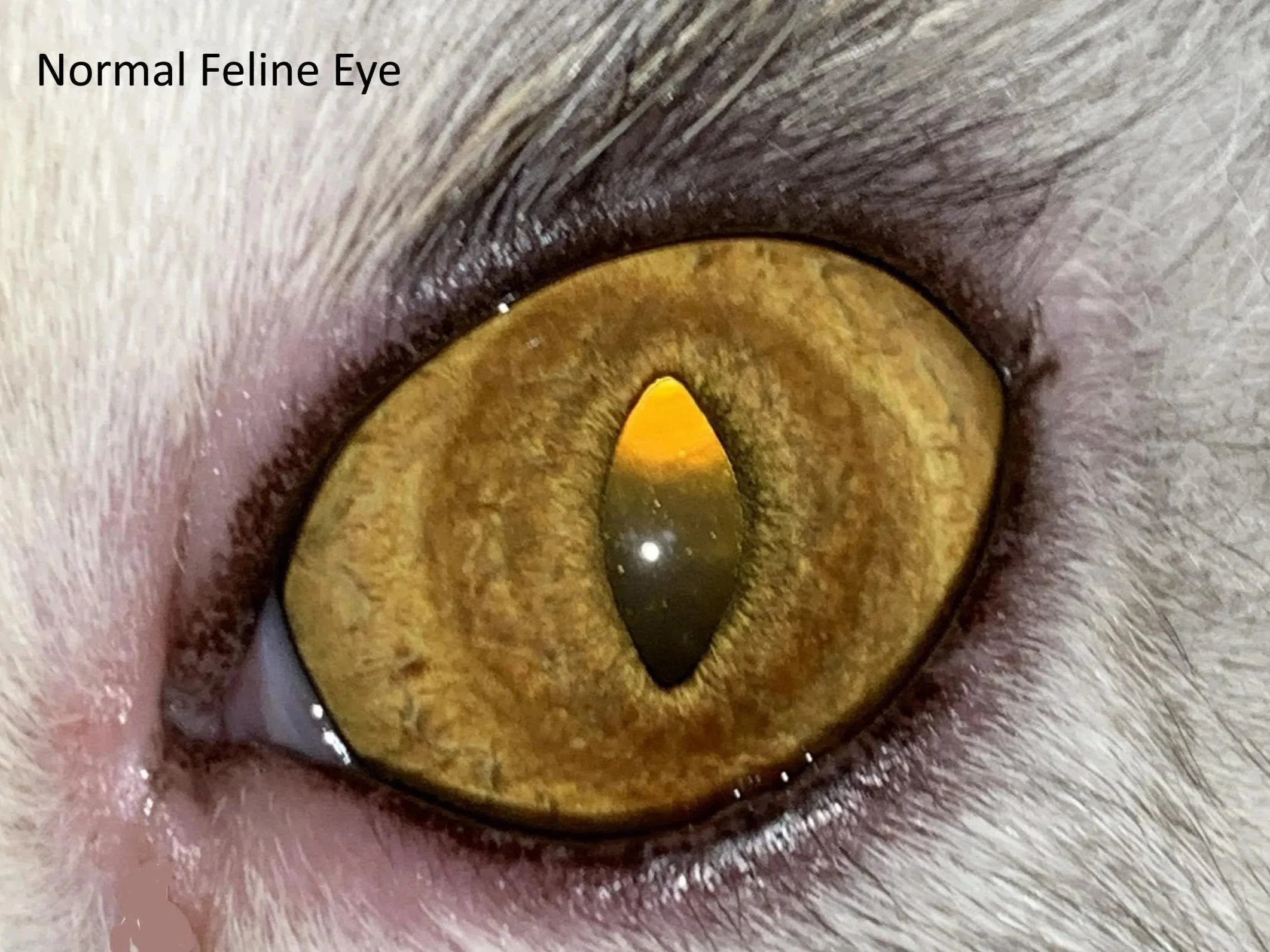
Eyelid agenesis is a congenital condition where a portion of the upper eyelid fails to develop properly in the womb. Mild cases may only be missing a small area of eyelid and can be managed medically. However, more severe cases require surgery. In these more severe cases, because the eyelid is missing its smooth, hairless margin, the surrounding fur often rubs directly against the eye’s surface.
What does that mean for the cat?
Without a normal eyelid margin, the hairs that rub on the cornea cause the following clinical signs:
Irritation: Squinting, redness, or frequent pawing at the eyes.
Discharge: Constant tearing or crusty buildup around the eye.
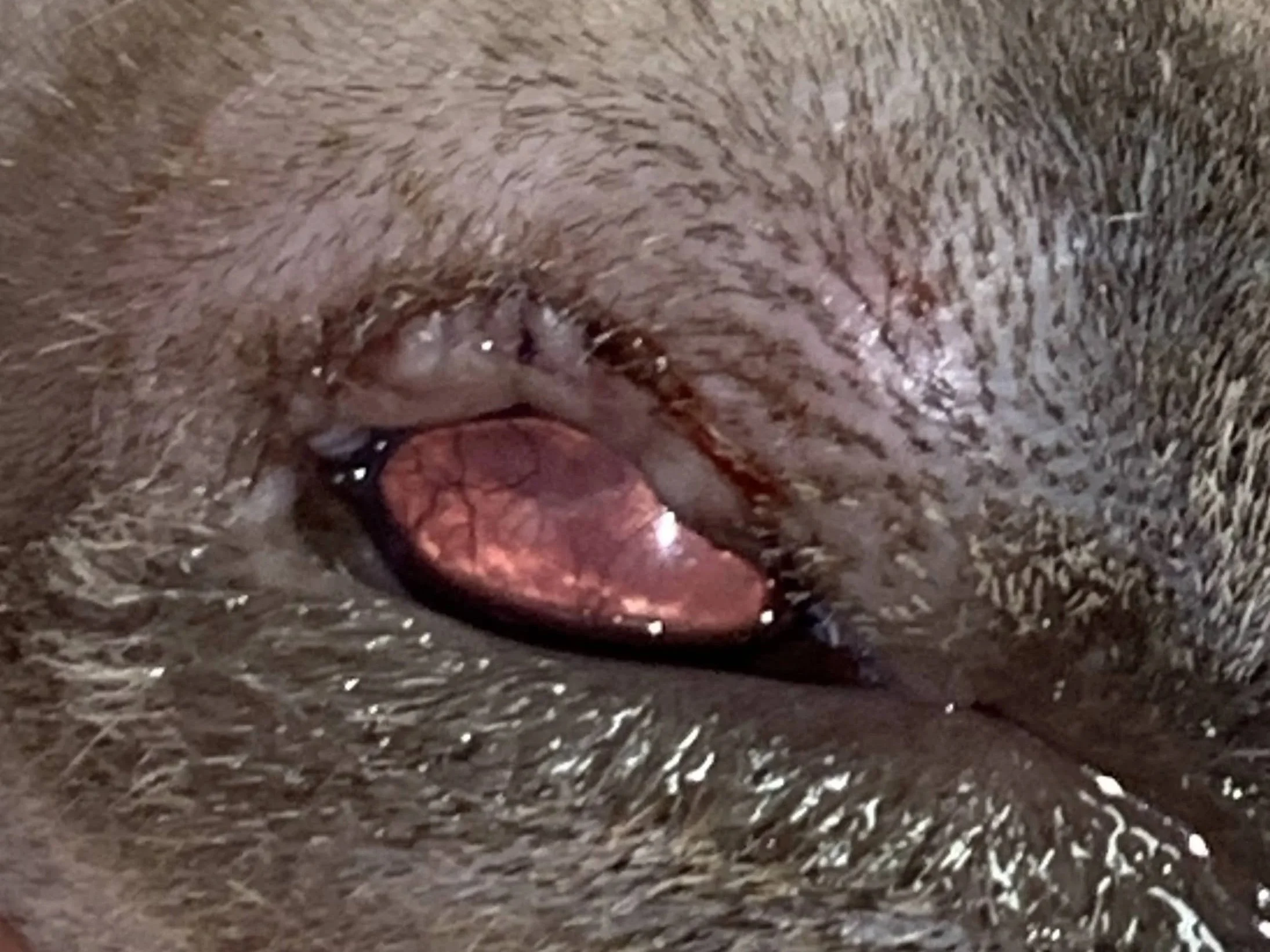
Cloudiness: The surface of the eye (cornea) may look cloudy, scarred, or have visible blood vessels due to constant rubbing—a condition called keratitis.
Inability to Blink: You may notice your cat can't fully close their eyes, even while sleeping.
Why Treatment is Critical?
Without intervention, the constant friction from fur (trichiasis) and the lack of moisture can lead to painful corneal ulcers. In severe, untreated cases, chronic infections or deep ulcerations can even result in the loss of the eye.
Management and Cure
The goal of treatment is to protect the cornea and restore comfort. A consultation with a veterinary ophthalmologist is the best resource for a tailored plan.
Medical Management: For mild cases, frequent use of topical lubricants (artificial tears) can keep the eye moist and provide a protective barrier.
Cryotherapy: This treatment is best for small focal areas and it involves freezing the hair follicles that are growing toward the eye and causing corneal disease and irritation.
Reconstructive Surgery: For larger defects, specialists can perform various surgeries including but not limited to "lip-to-lid" procedures as well as buccal mucosal transplants. All surgical procedures are aimed at creating an upper eyelid with a smooth hairless eyelid margin.
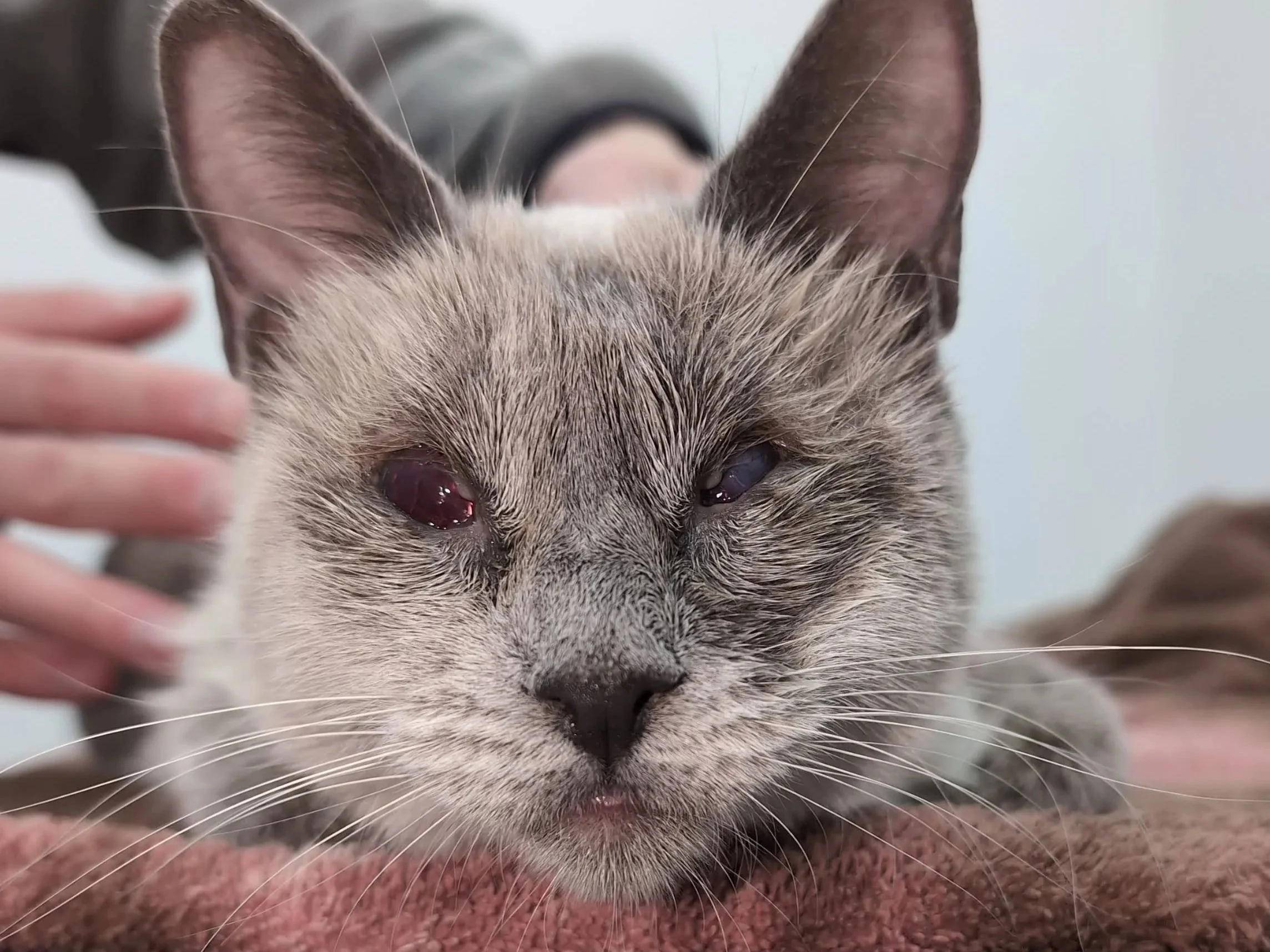
Life After Diagnosis
The prognosis for cats with eyelid agenesis is generally excellent if addressed early. Most cats go on to live completely normal lives after surgery or with consistent medical management. Because this condition may be hereditary, it is recommended that affected cats be spayed or neutered to prevent passing the trait to future litters.